After a long winter of muted tones and bare branches, spring breathes color back into the landscape. For photographers, it's arguably the most exciting season of the year—rivers swell with snowmelt, wildflowers blanket the valleys, and wildlife becomes more active. But with 63 national parks across the U.S., picking the right destination can be overwhelming.
We’ve narrowed it down to five parks that deliver exceptional photography opportunities in spring. Whether you're after grand waterfalls, misty forest layers, stark desert skies, rainforest greens, or nesting birds, these locations have something unique waiting for your camera.
---
1. Yosemite National Park, California
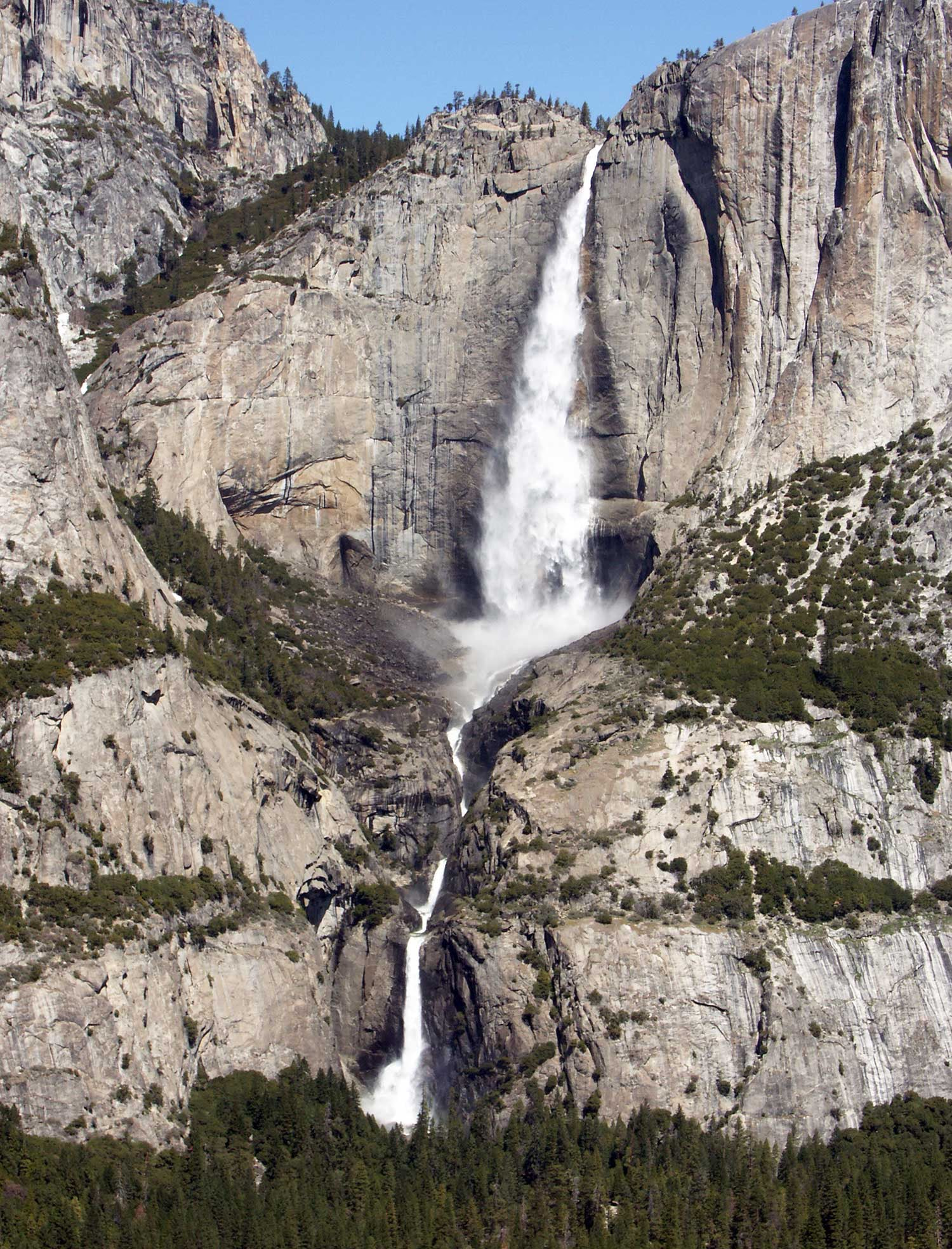
Why spring is a photographer's dream here: Waterfalls are at their absolute peak.
Yosemite is one of the most photographed parks in the world, but spring reveals a version many visitors never see. Snowmelt feeds every cascade—Bridalveil, Vernal, Nevada, and the iconic Yosemite Falls—turning them into thunderous curtains of water. Mist rises from the valley floor and refracts the early morning light, often producing rainbows that last only minutes.
The dogwoods bloom in delicate white clusters, offering a soft contrast against the massive granite walls. Meadows shift from brown to vibrant green, creating foreground interest for wide-angle compositions.
Photography tip: Tunnel View at sunrise is a classic for reason, but don't limit yourself to the famous overlooks. Walk the valley floor in the morning—spring brings fresh angles, fewer crowds, and soft light filtering through new leaves.
---
2. Great Smoky Mountains National Park, Tennessee / North Carolina
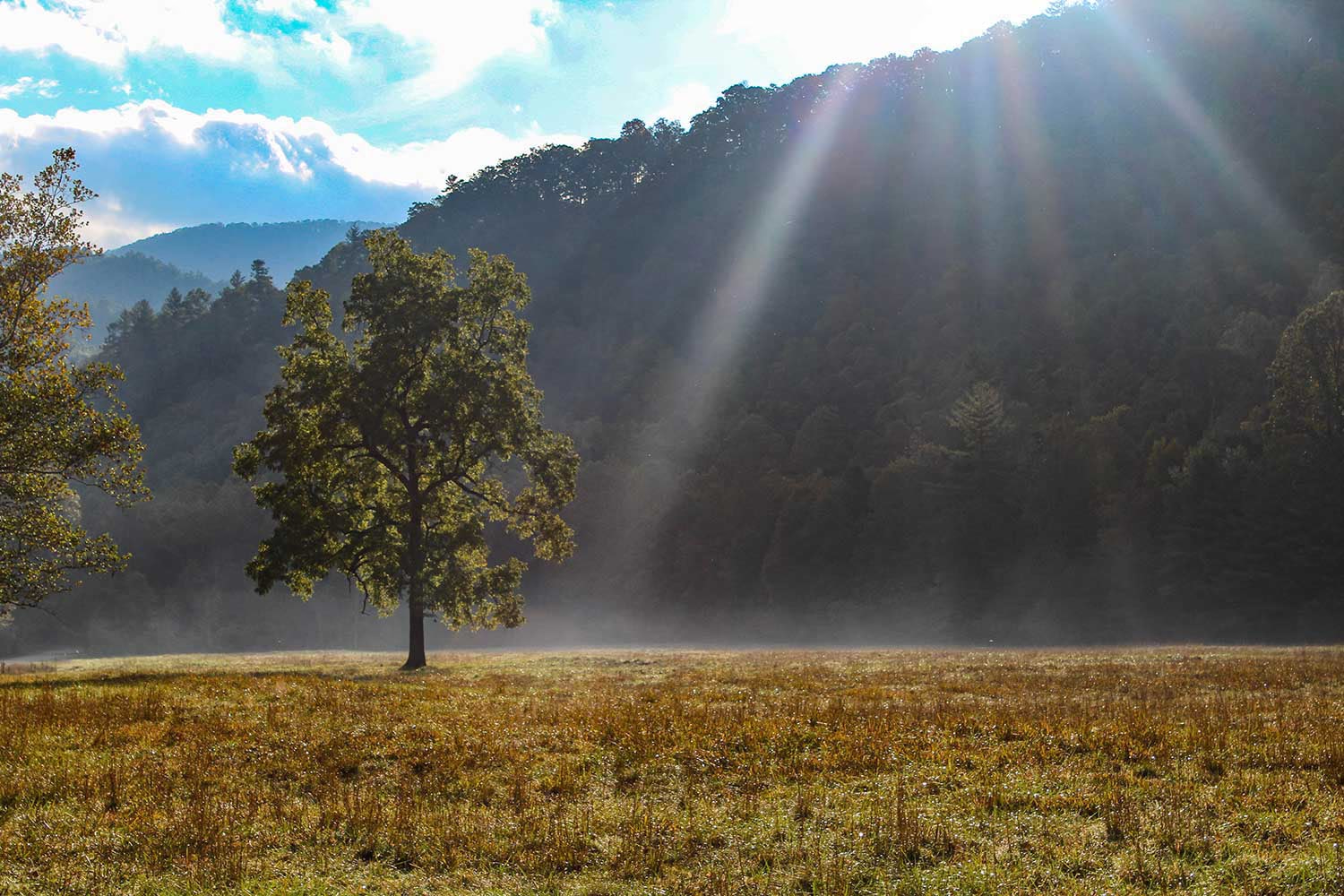
Why spring is a photographer's dream here: Mist, layers, and over 1,500 species of wildflowers.
Fall gets all the attention in the Smokies, but spring is an underrated gem. The park comes alive with trillium, lady's slipper orchids, mountain laurels, and countless other blooms. More than 1,500 flowering plant species put on a show from late March through May.
The real magic, though, is the weather. Warm days and cool nights produce thick, low-lying mist that snakes through the valleys like smoke. That haze creates natural depth and atmosphere—ideal for telephoto compression that stacks ridge after ridge into a single frame.
Photography tip: Head out early, especially after a rainstorm. That's when the fog sits lowest and the greens are most saturated. Clingmans Dome offers excellent elevated views for layered landscape shots.
---
3. Arches National Park, Utah
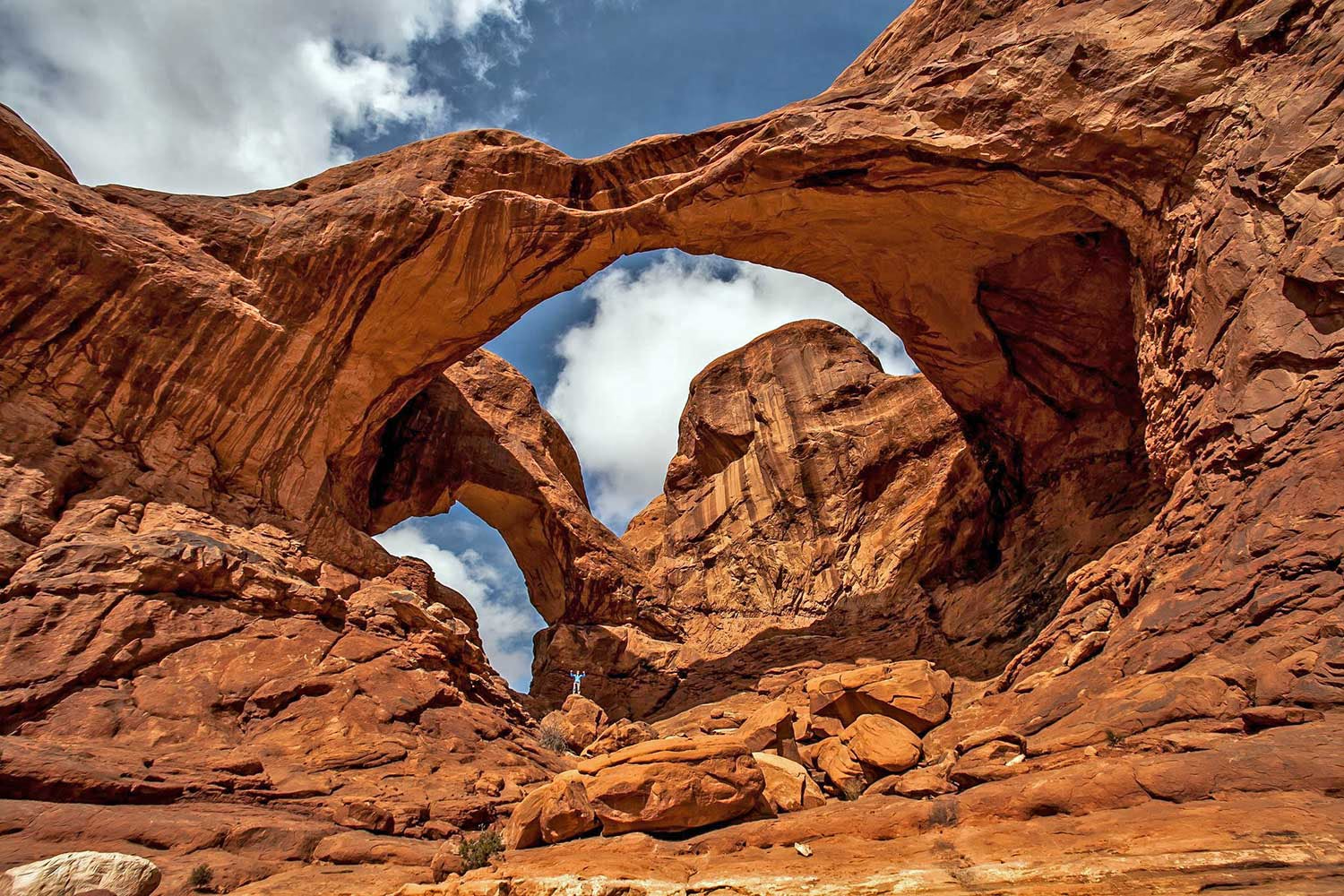
Why spring is a photographer's dream here: Golden light, red rock glow, and fewer crowds than summer.
Spring is the sweet spot for photographing Arches. Temperatures are pleasant—nothing like the scorching summer—and the summer crowds haven't arrived yet. The red sandstone formations catch the low-angle light beautifully during golden hour, glowing in warm oranges and deep crimsons.
Delicate Arch at sunset is a must, but don't overlook Balanced Rock, the Windows, or Landscape Arch during blue hour. The cool purples and blues of twilight create a striking contrast against the warm desert tones.
Photography tip: Wake up early—around 4 AM—and photograph the stars through the natural arches. The Milky Way aligning with these sandstone frames is one of the most rewarding night photography compositions in the Southwest.
---
4. Olympic National Park, Washington
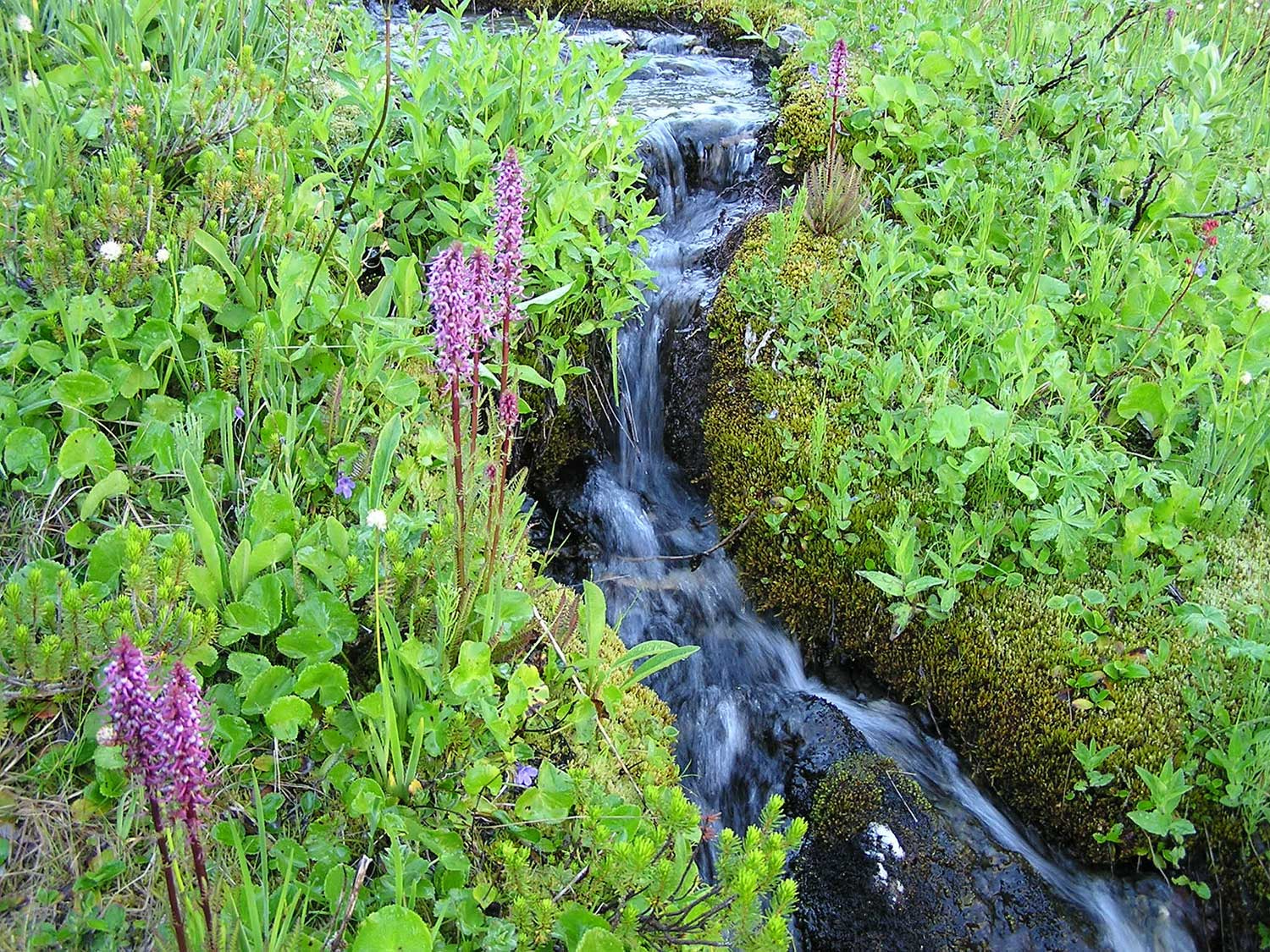
Why spring is a photographer's dream here: Three ecosystems in one park—temperate rainforest, alpine peaks, and rugged coastline.
Olympic feels like three national parks rolled into one, and spring gives every ecosystem maximum contrast. In the Hoh Rain Forest, new growth turns the landscape into an almost surreal shade of green. Moss drapes from every branch, ferns unfurl along the trails, and waterfalls surge with snowmelt.
Drive a few hours west, and you're at Ruby Beach, photographing sea stacks at sunset with tide pools reflecting the sky. Head up into the mountains, and you'll find snow-dusted ridges and dramatic cloud formations.
Photography tip: A polarizing filter is essential here. It cuts glare from wet foliage and deepens the greens of the rainforest, giving your images that rich, saturated look straight out of camera.
---
5. Everglades National Park, Florida
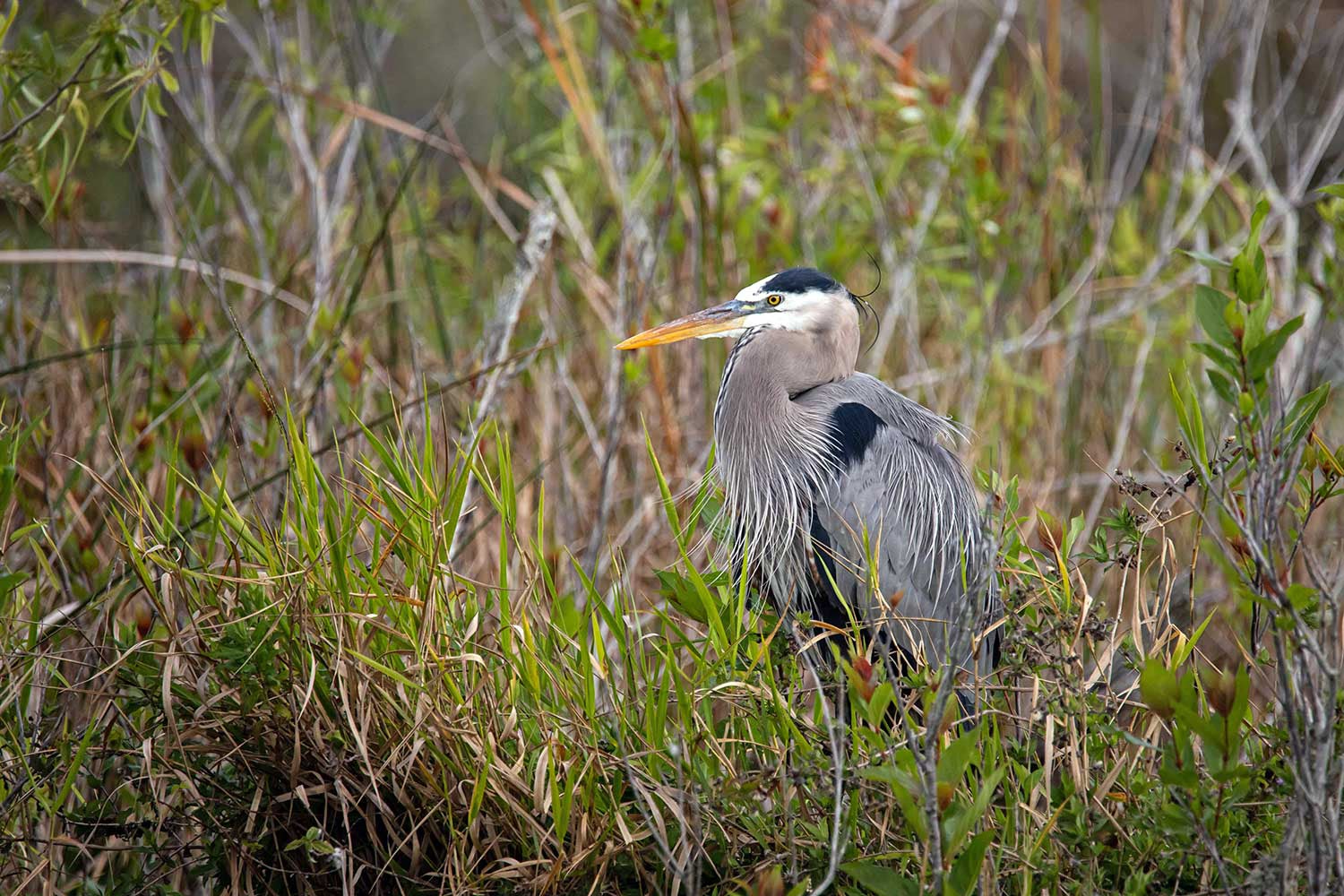
Why spring is a photographer's dream here: Peak wildlife activity and dramatic marshland light.
Spring in the Everglades means dry season—and that means wildlife concentrates around shrinking water sources. Herons, egrets, roseate spoonbills, and anhingas are actively nesting, making this one of the best bird photography destinations in the country.
The light has a distinct quality here—soft yet intense. Early mornings and late afternoons produce warm, diffused light that flatters the marshland. And the clouds? They reflect in the still water, adding natural layers and symmetry to wide compositions.
Photography tip: Pack both a telephoto lens for wildlife close-ups and a wide-angle for landscape shots. The sunset reflections over the marshes, with birds silhouetted against the sky, can produce surreal results.
---
Practical Tips for Spring National Park Photography
- Check road and trail conditions before you go. Spring weather can be unpredictable, and some higher-elevation roads may still be closed.
- Book lodging early. Spring is increasingly popular, and park-adjacent accommodations fill up fast.
- Arrive before sunrise. That's when the light is softest, the crowds are thinnest, and the wildlife is most active.
- Bring a tripod. Spring light is often low and misty, and you'll want stable support for long exposures of waterfalls or low-light forest scenes.
- Pack for changing weather. A sunny morning can turn into an afternoon rain shower in minutes—especially in the mountains and the Pacific Northwest.
- Protect your gear from moisture. In rainforests and misty conditions, keep a lens cloth handy and consider a rain cover for your camera.
---
Conclusion
Spring transforms America's national parks into something spectacular. From Yosemite's roaring waterfalls and the Smokies' misty wildflower valleys to Arches' golden desert glow, Olympic's lush rainforests, and the Everglades' bird-filled marshes, each park offers a completely different visual experience. The key is timing—get there early, pack for variable conditions, and let the season's energy guide your compositions. These five parks are ready. Your camera should be too.
---
FAQ
1. What is the best time in spring to visit these national parks for photography?
Mid-April through mid-May is the sweet spot for most of these parks. Wildflowers peak, snowmelt is active, and summer crowds haven't arrived. For the Everglades, March through April offers the best wildlife viewing before the wet season begins.
2. What camera settings work best for photographing spring waterfalls?
Use a slow shutter speed (1/2 to 2 seconds) to create that silky water effect. Set your aperture between f/11 and f/16 for maximum depth of field. A tripod is essential, and a polarizer helps cut glare from wet rocks and enhances color saturation in the surrounding foliage.
3. Do I need a permit to photograph in U.S. national parks?
General photography for personal use does not require a permit in any of these parks. However, if you're planning commercial shoots, using a tripod in certain high-traffic areas, or organizing a workshop, you may need a special use permit. Always check each park's website before your trip.
4. Which lens should I bring for a spring national park photography trip?
A versatile zoom like a 24-70mm covers most landscape scenarios. Pack a wide-angle (16-35mm) for grand vistas and waterfalls, and a telephoto (70-200mm or longer) for compressing distant layers, isolating wildlife, and capturing the misty stacked ridges in the Smokies.
5. How do I deal with harsh spring sunlight during midday?
Midday light can be harsh, but you can still get great shots by focusing on shaded forests, waterfalls in canyons, or macro wildflower details. Alternatively, use this time to scout locations for your sunrise and sunset shoots the next day.