Most selfies that are meant to look seductive instead look like someone trying very hard. The difference is almost never the pose itself. It is light, camera height, and restraint.
A phone at arm's length flattens everything: it widens whatever is closest to the lens, catches a hard flash on the forehead, and freezes the body in a shape that only makes sense from one exact angle. Work with that instead of against it and a mediocre pose in good light beats a good pose in bad light every time.
Below are 23 poses that read well on a phone, grouped by what you are doing with your body, with notes on the light and camera position that make each one work.
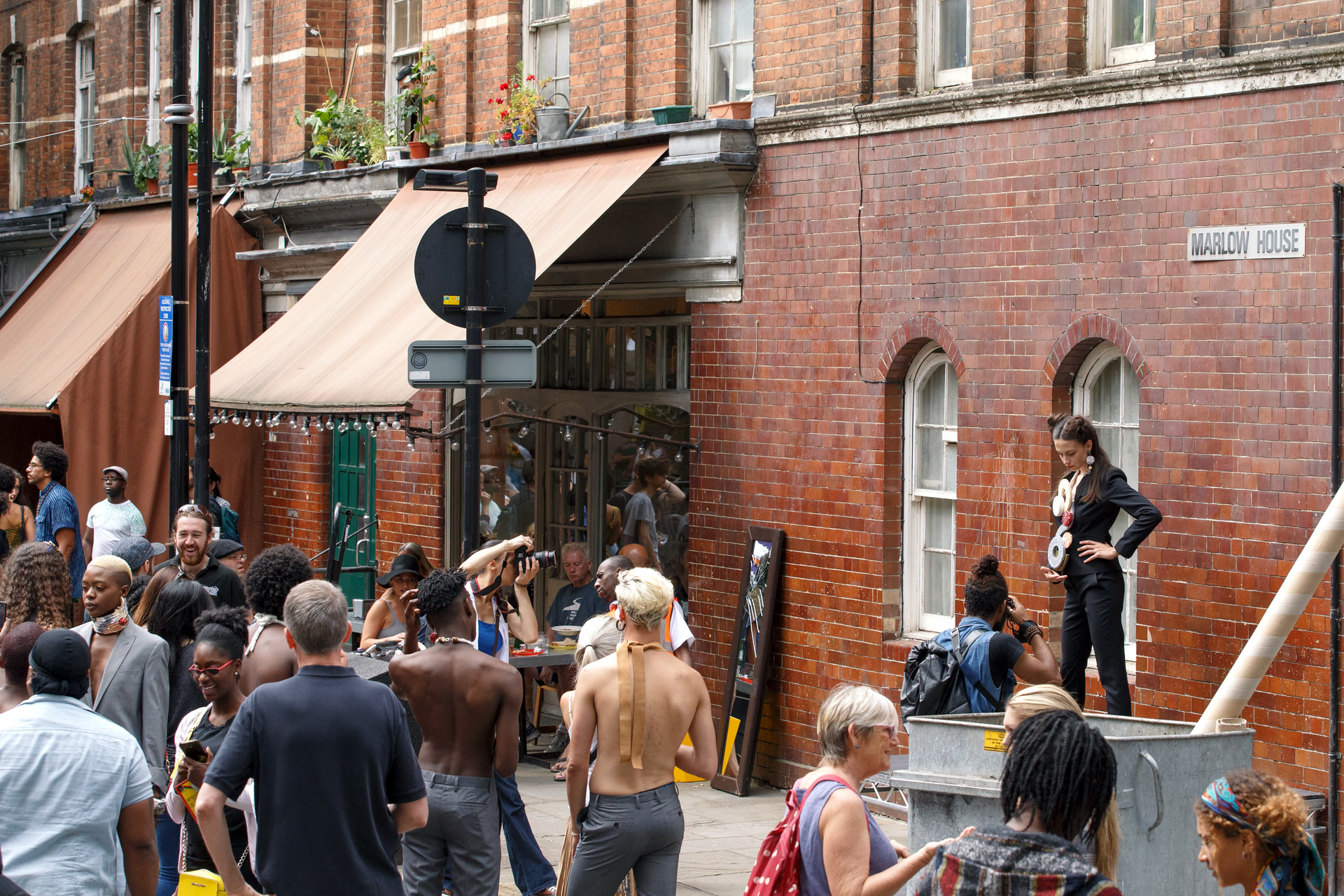
Standing Poses
1. The over-the-shoulder look back. Turn your back to the phone, angle your shoulders about 45 degrees, and look back over the closer shoulder. Hold the chin level rather than tucking. This pose works because the twist lengthens the neck and gives the camera a strong diagonal to follow.
2. Weight on one hip. Shift your weight onto one leg and let the other knee bend slightly. The hip that carries the weight rises, the other drops. Shoulders should not follow the hips exactly, so keep them level or counter-tilted. It is the single easiest way to stop a standing selfie looking like a passport photo.
3. Hand in hair, elbow up. Bring one hand to the back of your hair with the elbow lifted, not tucked. The raised arm frames the face and creates a triangle of negative space that the eye reads as intentional.
4. Chin down, eyes up. Drop the chin two or three centimetres and look at the lens from under the brow. This is the single most reliable expression adjustment on a phone, because it stops the camera looking up your nose and adds a little weight to the look.
5. Wall lean, one foot up. Lean a shoulder and hip against a wall and plant one foot flat against it. Walls give your body something to interact with, which fixes the dead-hands problem that ruins standing selfies.
6. Turned away, mid-stride. Walk two steps away from the phone on a timer, then glance back. Motion shots read as candid even when they are staged, and they hide stiffness in the hips and shoulders.
7. Necklace or collar play. One hand at your collarbone, fingers loosely holding a chain or the edge of a shirt collar. Small gestures near the face give the eyes somewhere to travel without looking posed.
8. Half-turn with a hair sweep. Rotate to three-quarter, then sweep the hair back with one hand and shoot as it settles. Off-centre frames work better here; put yourself on the outer third of the frame.
Seated and Reclined Poses
9. Cross-legged on the floor, leaning forward. Sit with legs crossed and lean forward from the hips with elbows on your knees. Shoulders soften rather than hunching, and the frame feels grounded.
10. Knees drawn up. Sitting with knees bent toward your chest and arms wrapped loosely around them. Shoot from slightly above so the pose reads compact and deliberate rather than defensive.
11. Reclined on one side. Lie on one hip, prop yourself on one forearm, and let the other arm rest. Keep the supporting elbow in front of the shoulder, not behind it, or the pose collapses.
12. On the back, arm overhead. Lying flat with one arm stretched above the head lengthens the whole body. Angle the phone from above your feet rather than straight down and the perspective becomes flattering instead of distorting.
13. Chair, seated sideways. Sit sideways on a chair with your torso turned back toward the lens. A chair with a back gives you a prop to lean an elbow on, which instantly fixes your hands.
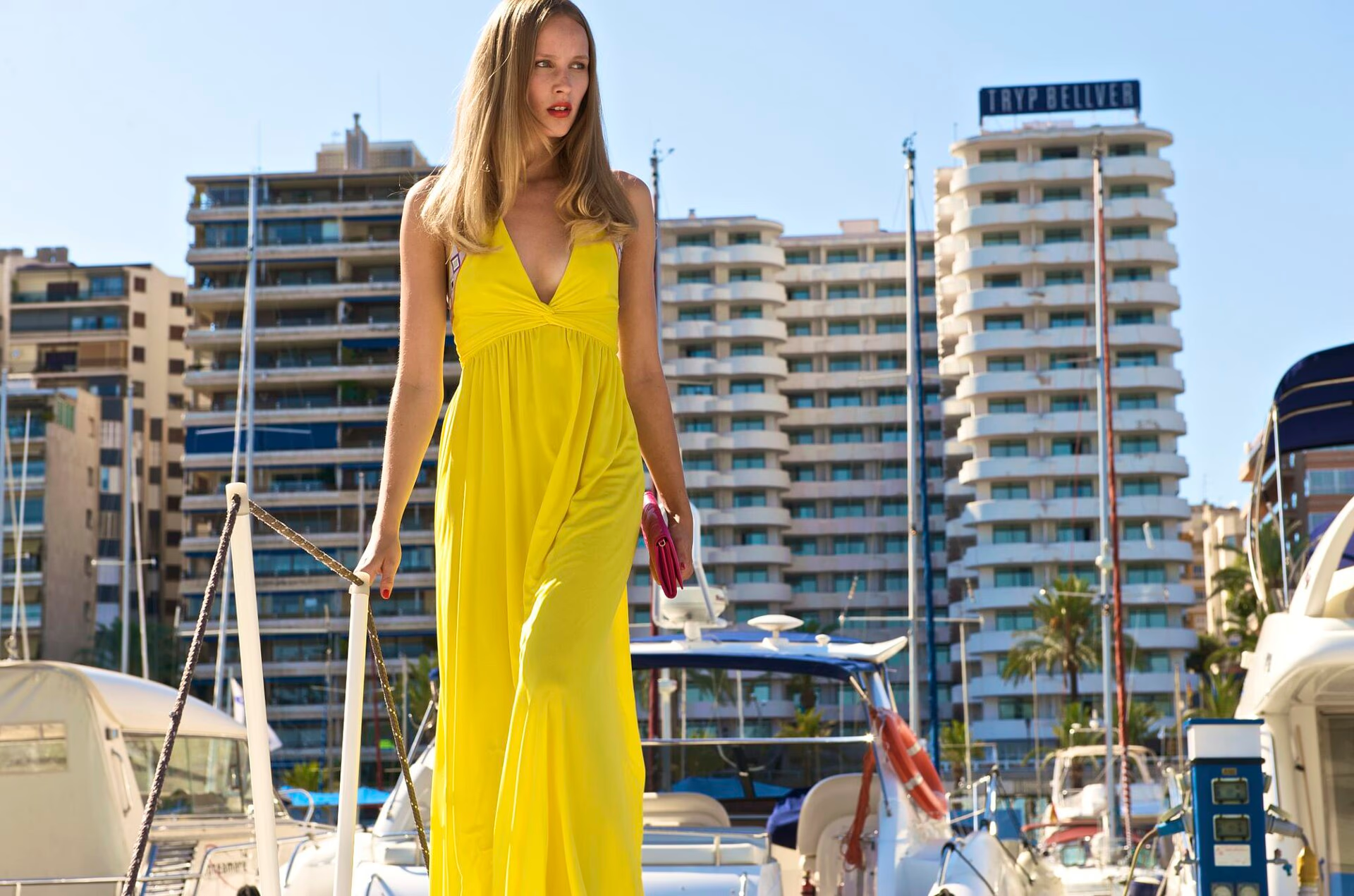
14. Straddling the chair backwards. Sit facing the back of the chair with your arms folded over the top. Good for a confident, direct look, but keep the elbows low and the shoulders relaxed.
15. Sheet or blanket wrap. Wrap a sheet under one arm and let it fall diagonally, leaving one shoulder bare. This is the classic boudoir frame, and it works because the diagonal line of the fabric gives the eye a path.
16. Silk robe, half drawn. One shoulder out of the robe, the other covered, hand loosely holding the lapel. Contrast between covered and uncovered reads as more interesting than either extreme.
Face and Close-Up Poses
17. Side profile with the jaw defined. Turn almost fully to profile and lift the chin very slightly. The jaw and neck line do the work; you barely need an expression at all.
18. Fingertip at the lower lip. Just the tip of one finger, resting rather than pressing. Anything more forceful tips into parody.
19. Looking down, lashes visible. Eyes down and away from the lens, taken from slightly above eye level. It reads as unguarded, which is why it works in window light with nothing else going on.
20. Backlit silhouette. Put a bright window or lamp behind you and expose for the highlight. The phone's HDR will try to rescue your face; dial the exposure down manually until the background is almost pure white. Shape tells the story here, not detail.
21. Low camera, chin lowered. Hold the phone at chest height and angle it up, but lower your chin to compensate. You keep the long-line effect through the body without the unflattering view up the nostrils.
Mirror and Phone-Specific Poses
22. Mirror selfie, phone low. Hold the phone at hip height and glance at the screen rather than the mirror. It removes the phone from covering your face and keeps the pose about you rather than the device.
23. Mirror selfie, looking down at the screen. Chin tucked, eyes on the screen. It reads as absorbed and unposed, which is the whole appeal of mirror shots.
Light Does Most of the Work
One soft source from the side or slightly in front of you, at roughly 45 degrees, gives shape to a face that flat frontal light destroys. A window with a sheer curtain is the best free light you will ever own. Turn off the phone's flash; on-camera flash flattens features, produces hard shadows behind the head, and reflects off skin in ways no editing pass can rescue.
If you are shooting with a real camera instead, wide-to-normal primes handle this kind of work well. A 35mm f/1.8 on an APS-C body gives you a flattering working distance without the distortion of a phone lens held at arm's length, and the wider aperture buys you shutter speed indoors.
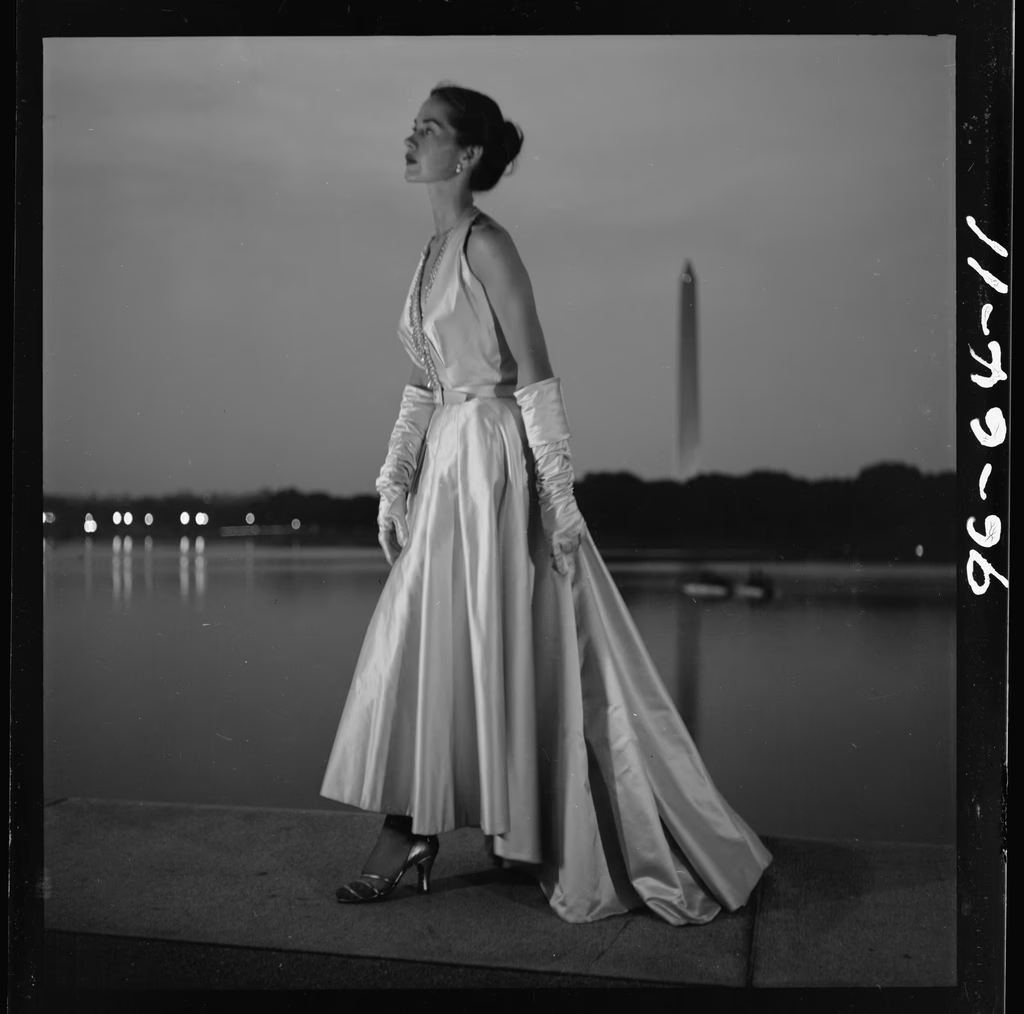
Camera height matters more than most people expect. Slightly above eye level flatters almost everyone; below eye level flatters almost no one. Have a subject hold the pose while you move the camera up and down ten centimetres at a time, and the difference will be obvious on the screen.
For autofocus, modern mirrorless bodies track a moving subject reliably enough that you can concentrate on expression instead of hunting for the eye. The subject-tracking autofocus on a body like the Sony a6400 locks onto a face and holds it through small movements, which is exactly what a self-timer sequence needs.
Use a timer or a remote rather than reaching for the shutter with your hand still in the frame. Three seconds is enough to drop your arm and reset your expression; ten seconds is enough to reposition entirely.
Editing Without Overdoing It
Restraint is the whole game. Skin smoothing at full strength produces a plastic texture that reads as fake on any screen larger than a phone, and it is the single clearest tell that an image has been through heavy filters. Pull the smoothing slider back until you can still see pores in the shadows, and let the light do the flattering.
Lift shadows to recover detail in dark areas rather than raising exposure, warm the skin tones slightly, and leave the blacks alone. If the image looks good on a bright screen and bad on a laptop at night, the contrast is too heavy. If you want a repeatable process, the Lightroom workflow used by most outdoor photographers applies to portraits too: fix exposure, correct white balance, then stop.
Tips for a Clean Shoot
- Test light before you test poses. Same pose, three light setups, and pick the light first.
- Shoot at eye level or a little above, never straight up from below.
- Keep limbs off the body's outline. Gaps between arm and torso read as intentional; pressed limbs read as flat.
- Take three frames per pose: relaxed, small adjustment, full expression. The middle one is usually the keeper.
- Clean the lens before every session. A smudge on a phone lens produces haze that looks like bad sensor performance.
- Decide who sees the image before you take it, and revisit your privacy settings on the account you post from.
Conclusion
Seductive is a lighting and posture problem dressed up as a pose problem. One soft window, a camera slightly above eye level, and a body position that keeps the shoulders and hips from stacking square to the lens will do more than any list of moves.
Pick three poses from this list that suit your build and the light you actually have, and shoot each one twenty times with small variations. Twenty frames of three poses teaches you more about your own face than fifty random poses shot once.
FAQ
Which poses look best in a phone selfie?
Over-the-shoulder turns, weight shifted onto one hip, and reclined poses with one arm overhead tend to flatter most body types. Anything that creates a diagonal through the frame works better than a pose shot square to the lens.
How do I stop a selfie looking awkward?
Give your hands a job, keep limbs slightly away from your body's outline, and drop the chin a little while looking at the lens. Most awkwardness in selfies comes from stiff shoulders rather than a bad pose.
Is flash ever a good idea for this kind of photo?
Rarely. Direct on-camera flash flattens features and creates hard shadows. A window, a lamp with a diffuser, or a ring light positioned slightly off-axis all produce better results.
What camera settings should I use on a phone?
Use the timer, shoot in good light, lock exposure on the brightest part of the face, and avoid digital zoom. If your phone offers a raw option, use it, since it gives you room to recover shadow detail later.
How much editing is too much?
If the skin loses visible texture, the smoothing has gone too far. Raise shadows rather than exposure, warm the tones slightly, and keep the blacks from crushing.
Do these poses work for fuller figures too?
Yes, with minor adjustments. Turning to a three-quarter angle, keeping the camera slightly above eye level, and using diagonals through the body are the same principles that flatter everyone. Poses that rely on a strong chin line need the chin lifted slightly rather than dropped.